First things first. I saw the retinologist about my vision problems. I know I’ve mentioned my limited vision before, although I’m not sure if I’m explained the problem. I have a retinal vein occlusion — and forgive me if I’m repeating information I’ve already shared. According to the retinologist (the same one my husband sees regularly), it will be months before the condition clears up. I do have a medical exam scheduled to see if we can determine any underlying problems that caused this optical blockage, and I’m scheduled to see the retinologist again in a few weeks to discuss further treatment.
The doctor did comment that I could read, write, and do my artwork, so there’s that. In the past, I used to always take my sketchbook and drawing pencils to my husband’s appointments, so the doctor has always seen me as an artist.
And, I’m beginning to feel like an artist again. A strugging artist, at least. Not struggling financially (as the term struggling artist so often suggests) but struggling to re-learn drawing skills, and now, struggling to really see what I’m drawing due to the visual impairment.
With all that said, I’m feeling rather pleased with myself. I’m doing better than I expected, especially given my limited vision. I was happy with my drawing of Flower Child, and I’ve been pleased with the recent pear drawings I’ve done — one in graphite and one in charcoal.
When I first began learning to draw, I drew a lot of apples. “An apple a day…” became a bit of an art mantra for me. This time around, as I re-learn drawing skills, I’m using repetition as a tool, but instead of drawing apples, I’m drawing — you guessed it — pears.
I find pears a bit more interesting than apples. Drawing pears requires creating a shape that’s a bit more complex than a basic circle, and, for what it’s worth, I just enjoy drawing pears. So, here is Pear #3, another graphite drawing.
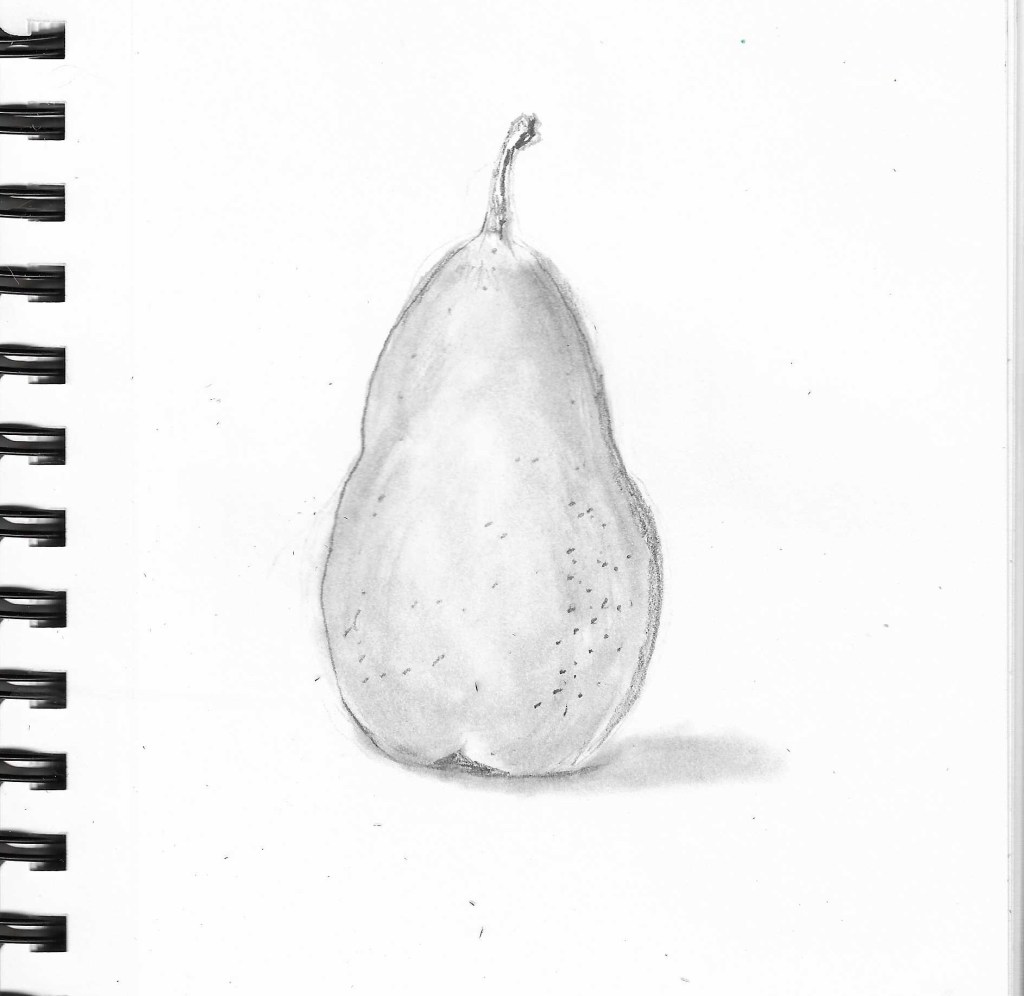
I was happy with the shadow. With the rest of the shading… not so much. My purpose is doing this little “pear study” was to work on my shading techniques. As before, I began by creating the basic contour using a 4H pencil and I then lightly indicated areas of shadow. Once I’d done that, I switched to a 4B pencil and tried to achieve “a full range of values” — or something close. At this point it became a laughable process of adding and subtracting. First, I would add more graphite and blend it out, then look at it and think, “No, that’s too much.” So I would take an eraser and remove graphite. I would then look at it and shake my head. “No, that’s not enough!”
Back and forth I went, first adding more shadows and then taking them away again. I drew. I erased. I re-traced a few contour lines. And I continued with this “back and forth” process for quite some time.
Of course, I was working from a color image, and maybe that’s part of my problem.
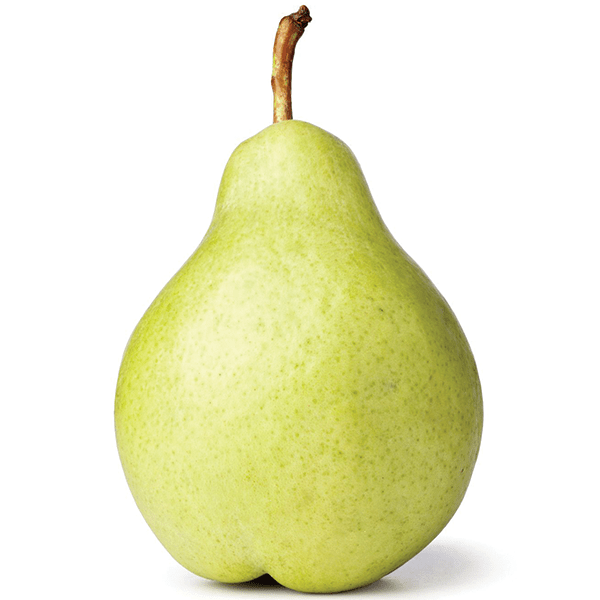
In looking at this photo again, I can clearly see that my pear is much too skinny — I’m sure you can see it too — and that’s partly because of my stop/start process. Originally my pear was fatter and closer in shape to the reference, but in the process of erasing and re-drawing… well, I changed the contours more than I’d realized. At that point, I wasn’t looking at the reference so much as I was studying my own drawing, unable to decide if I had too much shading or not enough!
Maybe it would be helpful for me to change photo references to grayscale before I draw them with graphite.
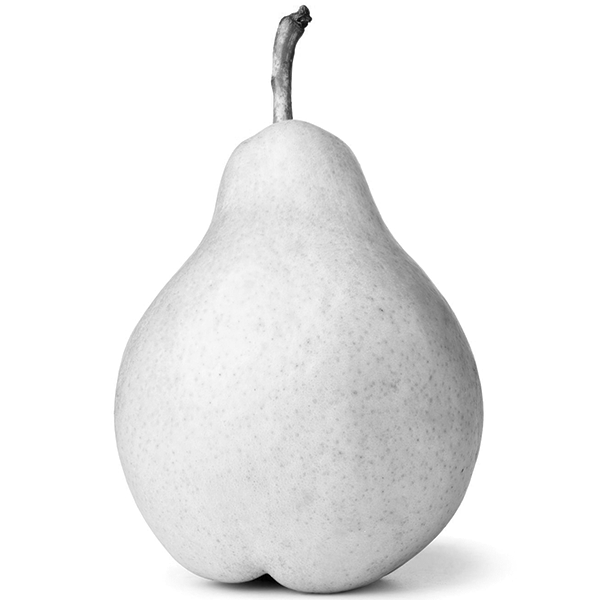
Looking at this fat little pear again, I guess my drawing has more problem than shading. I clearly missed the mark as far as getting the contour correct. Oh, well. I still think I did a good job of drawing a pear. I just didn’t draw this particular pear accurately.
I know, too, that when drawing with graphite we’re supposed to deepen our values — even lovely little Theobot pointed this out. Dark values should be really dark. Lighter values should be light, maybe even white. There should be a full range of values in every drawing. I could go back with a very soft drawing pencil and darken the bottom shadow. I could darken the tip of the stem, too. But then I know I’d have to re-adjust all the differing shades and tones in between and there I’d be, going back and forth again, adding shading, erasing shading, and never quite knowing if I had too much or not enough!
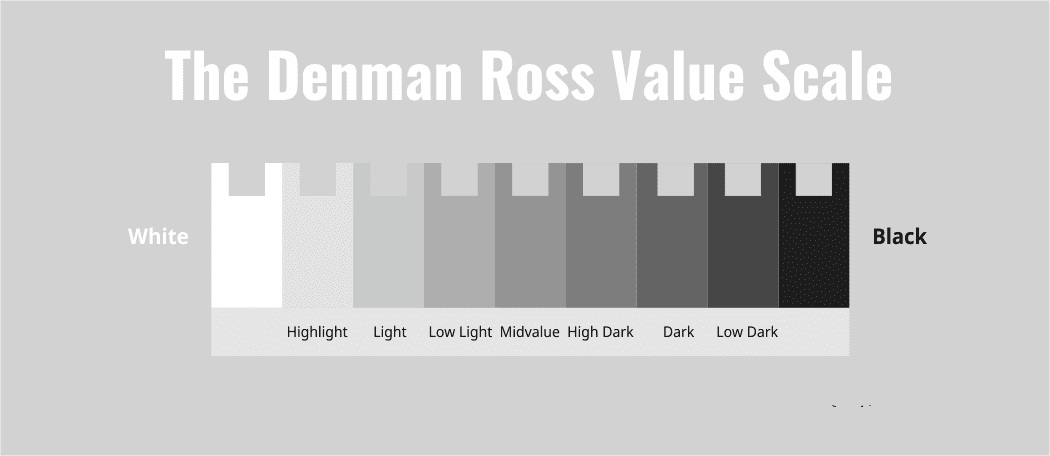
The solution, I suppose, is to get out my “value scale” — yep, I’ve got one of those hanging right there on the bulletin board — and try to match up the lights and darks. So maybe for my next graphite practice, I’ll re-draw this same pear, try to get the contours more accurate, and see if I can figure out where and how to get the values right!
I’ve struggled with shading for as long as I’ve been drawing. Maybe as I “re-learn” drawing techniques, I can finally figure it out. Meanwhile, any helpful suggestions you’d like to share will be appreciated!
 Artistcoveries
That’s great news that the retinal vein occlusion will clear up! In the meantime, you can practice the age-old technique of one-eye looking, which I’ll often use when I need to flatten what I see so I can draw it better!
I like your pear.
LikeLiked by 1 person
It may require some treatments — possibly laser surgery or eye injections, but in time I hope most if not all of the vision in my left eye is restored. I’m learning way to compensate, and yes, closing that eye is sometimes very helpful!
LikeLiked by 1 person