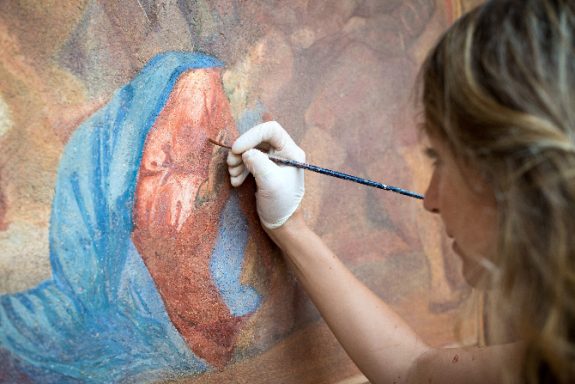
Art museums and galleries face two challenging tasks with the artworks they house and display.
First is the area of conservation, which focuses on the maintenance and preservation of precious works of art and methods of protection from both damage and vandalism as well as from deterioration.
Art restoration is closely related, but it involves the repair or renovation of a work that has already been damaged or which has decayed. The restoration process attempts to re-create a work of art so that it is as close as possible to its original, undamaged appearance.
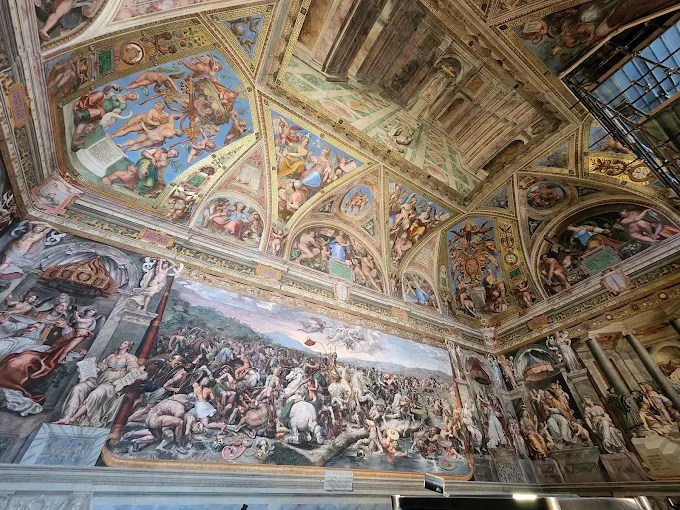
Both conservation and restoration experts use similar techniques and methods, and the importance of this field increases with each passing year. Yet “art restoration” is not anything new. As long as artists have produced art, there’s been a need for fixing the inevitable problems that arise. Michelangelo’s famous “Sistine Chapel” ceiling went through a restoration in the 16th century due to water damage.
.
Water damage and high humidity are factors to deal with, sometimes leading to mold and mildew. Another factor is potential damage from smoke and air pollution. Light exposure is also a critical issue for properly displaying works. And then, unfortunately there’s potential damage from contact — either willful or accidental.
Restoration work today involves science and technology, as well as art knowledge! Let’s take a very quick look at the process to get an idea of how these talented experts use their skills to ensure that we can continue to enjoy paintings and sculptures from centuries past.
An Initial Assessment
The process brings together knowledgable art historians, skilled restoration technicians, and scientists. Paintings are typically X-rayed, and from this, many facts can be gathered:
- Composition
- Materials
- Paints Used
- Techniques
Understanding all of these things are essential for a restoration or renovation to proceed. The intent here is to gain an understanding of how the work was originally created. What fabrics were available for grounds? What pigments were available? How did the artist approach the painting? What areas were completed first?
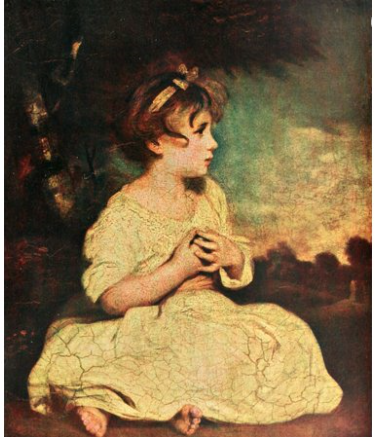
Oftentimes this initial process uncovers surprises, such as finding that one painting was covered up and repainted. One such example of this is Joshua Reynolds painting “The Age of Innocence” over a previous “Strawberry Girl” painting.
.
Infrared Examination
The next step in the restoration process usually involves infrared technology which makes it possible for the restoration workers to assess the original drawing and to determine where paint loss has occurred. There is a lot of science going on here! It’s a bit over my non-scientific head, but maybe this will give you some idea of what’s involved:
Recently, technological advancements in art restoration have included cameras with fixed wavelengths. Because different pigments and materials reflect or absorb various wavelengths differently, these devices can help distinguish them. They allow conservators to pinpoint carbon-based drawings, for example, using distinctive wavelengths at about 1,700 nanometers. — From The Science Behind Art Restoration
Varnish Removal
With an accurate analysis completed, the next task is to remove old, discolored layers of varnish. This begins with a bit of “spectroscopy” — another scientific process that determines the chemical content of the pigments used for a painting. This is essential information because it determines the type of solvent that can be used for removing the varnish. Then, slowly and carefully, the process begins, gradually uncovering the orignal paint.
A New Coat of Varnish
After removing the old varnish, a new “restoration” varnish is applied. This protects the painting so that further work can be done without affecting the original pigments.
Working on Damaged Areas
A skilled individual completes the restoration process by carefully repainting damaged areas using dry pigments mixed with non-yellowing solvents. This is a slow, methodical process, of course. Little by little, the original artist’s work is brought back to life for art lovers to view and love.
This is, of course, only a very quick and very simple look at what is an extremely detailed and complicated process. Art restoration today often involves the use of laser technologies, the use of chemical enzymes as cleaning agents, and the injection of nanoparticles. Modern science and chemistry continue to evolve and find new approaches to art restoration. As mentioned in yesterday’s post, even artificial intelligence has been called into play to assist with art restoration.
If you’re interested in exploring the scientific processes more deeply, you’ll find many fascinating articles online:
Modern Chemistry Techniques Save Ancient Art
The Chemistry of Art Restoration
The Beauty of Science: New Technologies in Art Restoration
To learn more, you can also visit the website of John Canning Company to download their “Historic Paint Investigations and Analysis”, a resource which explains the process from their perspective as a restoration company.
This is one of those topics that I could go on about at great length — but, I won’t. I’ve tried here to gather the most pertinent information about the process and to provide an awareness of how important this work is as well as show how much is involved in the work of art restoration.
I’ve found it a fascinating subject to explore, and I hope you’ve enjoyed learning a little about this invaluable work, without which our art community would lose so much beauty and meaning from the past.
 Artistcoveries
They restored the beauty of the local 1920’s Art Decco Art House Cinema near me 😁
LikeLiked by 1 person
Restoration projects have always amazed me.
LikeLiked by 1 person
My niece has done restoration work on Tibetan art! So fascinating!
LikeLiked by 1 person
Oh, wow! I just am awed by the techniques and knowledge required by art restorers. I have no idea how much they make for their services, but I would think they mut be very well paid.
LikeLike
Thank you for this post! I’ve always been curious on how people have been able to restore artwork. This post was a treat, thank you 🖤
LikeLike